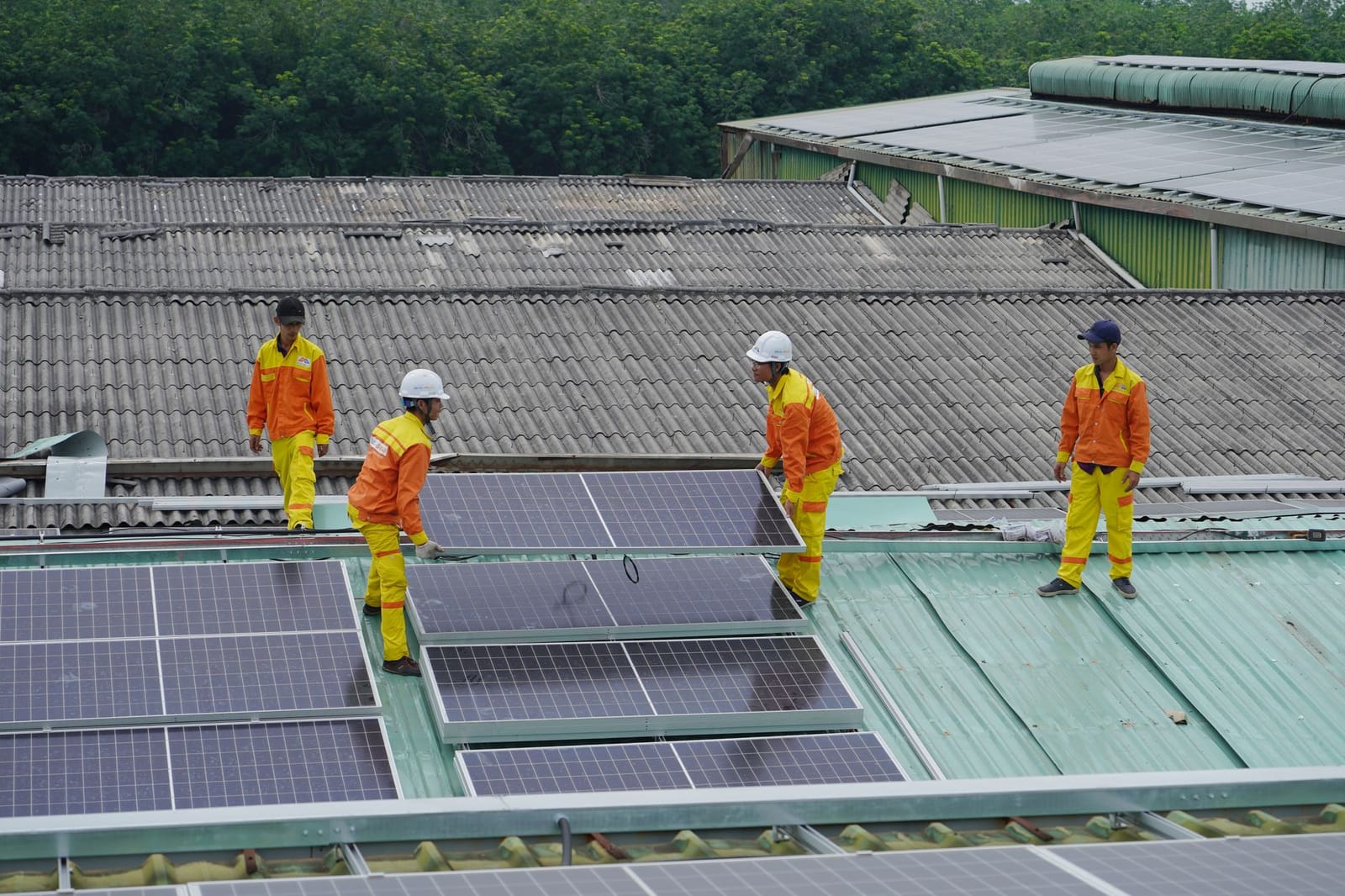
This is an independent UK guide to commercial solar for the food-retail sector: supermarkets, convenience chains, wholesale and the cold-chain distribution that supplies them. It is operated by SEO Dons Ltd, which does not install solar. When you send an enquiry, we reply by email; enquiries are not currently passed to installers. The guide covers the whole of the UK, from a single corner-store roof to multi-megawatt distribution-centre arrays.
Why this guide focuses on grocery
Most solar firms will quote any building that has a roof. Food retail is genuinely different from the rest of commercial solar, and that difference rewards sector experience. Refrigeration runs 24 hours a day, which gives a grocery site a baseload almost no other building type has. Get the sizing right against that continuous load and self-consumption climbs above 90 percent, which is what produces the five-year paybacks the sector is known for. Get it wrong and you either undersize and leave savings on the table, or oversize and export power cheaply that you should have been using yourself. That margin between a good grocery design and a mediocre one is large, and it is why a design should be modelled from your real half-hourly meter data rather than from roof area or a rule of thumb.
How the process works
Look for an installer that is independent of any panel or inverter manufacturer, so the hardware specified suits your site and load profile rather than whichever brand pays the best margin. A sound process starts with a desk-based feasibility study built from your meter data and roof drawings, with no site visit needed for the first numbers. If the maths works, engineers carry out a structural and electrical survey, then issue a proposal with full yield modelling, a financial case showing simple payback, internal rate of return and net present value, and clear contract terms. If the maths does not work, a good installer says so rather than selling a system that will not deliver.
Food-retail issues a project must handle
Grocery solar carries complications a generalist may not have met. Food-grade and refrigeration plant areas need careful penetration and cable-routing design so the install never compromises the cold chain. Leased retail-park units and store concessions need landlord consent and a wayleave, which should be drafted and negotiated early. Larger stores need a G99 grid-connection application and often sit on an existing high-voltage supply that needs proper integration. Where roof area is tight, the car park should be assessed for a solar carport, usually the biggest untapped surface a store owns, and the PV and any EV charging are best designed as one project so the daytime charging load self-consumes generation at full value. For multi-site estates, one repeatable template can be rolled across every store on a standard survey, with portfolio pricing and a single monitoring dashboard.
Checking an installer's accreditations and warranty
A UK commercial solar installer should hold the relevant certifications, and each is verifiable against the issuing body. SEO Dons Ltd does not install and holds none of them, so check the installer's own credentials. Ask whether workmanship is covered by an insurance-backed warranty, which means the cover stands even if the installer's company does not, the protection most operators care about. Tier-1 panels typically carry their own 25-year performance warranty and inverters their manufacturer cover. Also ask about annual operation-and-maintenance and 24/7 remote monitoring with automated underperformance alerts, so a fault is flagged the day it happens, not at the next bill.
How to spot a poor installer
The commercial solar market still has its share of firms that overpromise, oversize and disappear after commissioning. A good installer gives you a financial model you can stress-test, is honest about grid-connection timescales and the few sites that do not suit solar, and stays involved through monitoring and maintenance for the life of the system.